UNIVERSELE ESTHETIEK! DE GULDEN SNEDE?
Stijn VerwulgenGustaaf Cornelis
Half oktober verschijnt het nieuwe boek van Herwig De Lannoy over de vrijmetselarij, uitgegeven door Uitgeverij Elena: "Broederschap". Het boek zal te verkrijgen zijn in onze winkels te Antwerpen, Mechelen, Leuven en Gent.
"Broederschap. Vrijmetselaars en hun loges" brengt een verrassend beeld van de vrijmetselarij tot op vandaag, rijk geïllustreerd met passende afbeeldingen. Verhelderend voor de logebroeder, toegankelijk voor de buitenstaander.

De vrijmetselarij wordt al meer dan 250 jaar lang beleefd in de Lage Landen. Wat gebeurt er werkelijk in de loges? Waar staan hun symbolen en rituelen voor? Wat is het engagement van de vrijmetselaars, waarover praten ze en in welke taal? Welke invloed hadden zij in het verleden op de politiek en de samenleving en hoe zit dat nu? Hoe is de positie van de vrouw geëvolueerd?
De wereld van de vrijmetselarij is fascinerend. Dit boek verduidelijkt waar de vrijmetselarij voor staat. Niet de bizarre en hardnekkige vertelsels en fabels, wel het ware verhaal. Het schetst hoe de vrijmetselarij in België een eigen weg opzocht, gedreven door de vijandigheid van de overheid, de Kerk en een groot deel van de publieke opinie.
Er is extra aandacht voor de vrijmetselaars en hun loges in Gent en vooral in Antwerpen en Mechelen. Het boek zal te verkrijgen zijn in onze winkels te Antwerpen, Mechelen, Leuven en Gent.
Op 12 november signeert Herwig De Lannoy zijn boek in De Slegte Mechelen (vanaf 10u30) en in De Slegte Antwerpen (vanaf 16u).
Reserveer alvast een exemplaar van "Broederschap. Vrijmetselaars en hun loges" door een mail te sturen naar het filiaal waar je het boek wenst af te halen:
Les loges du XVIIIe siècle sont un phénomène complexe, polymorphe... et paradoxal. Leurs huis clos abritent à la fois les échos des idées nouvelles et les vestiges de traditions séculaires. Ainsi, certains « hauts grades » ne peuvent se comprendre que lorsqu'on les inscrit dans les idées, les rêves et les spéculations que la chevalerie ne cessa de susciter depuis sa disparition à la fin du Moyen Âge. Au coeur du siècle des Lumières, la Franc-maçonnerie offrira un cadre accueillant à ceux qui voulaient redonner corps à une tradition alliant action et spiritualité. Cette tentative de reconstruction d'une voie chevaleresque utilisa d'ailleurs des éléments très anciens. Cette étude se propose d'explorer les origines et les premières années de la Chevalerie maçonnique. Elle veut aussi montrer combien les loges ont été l'une des « sources occultes du romantisme ».
€25.99
µ
août 2005
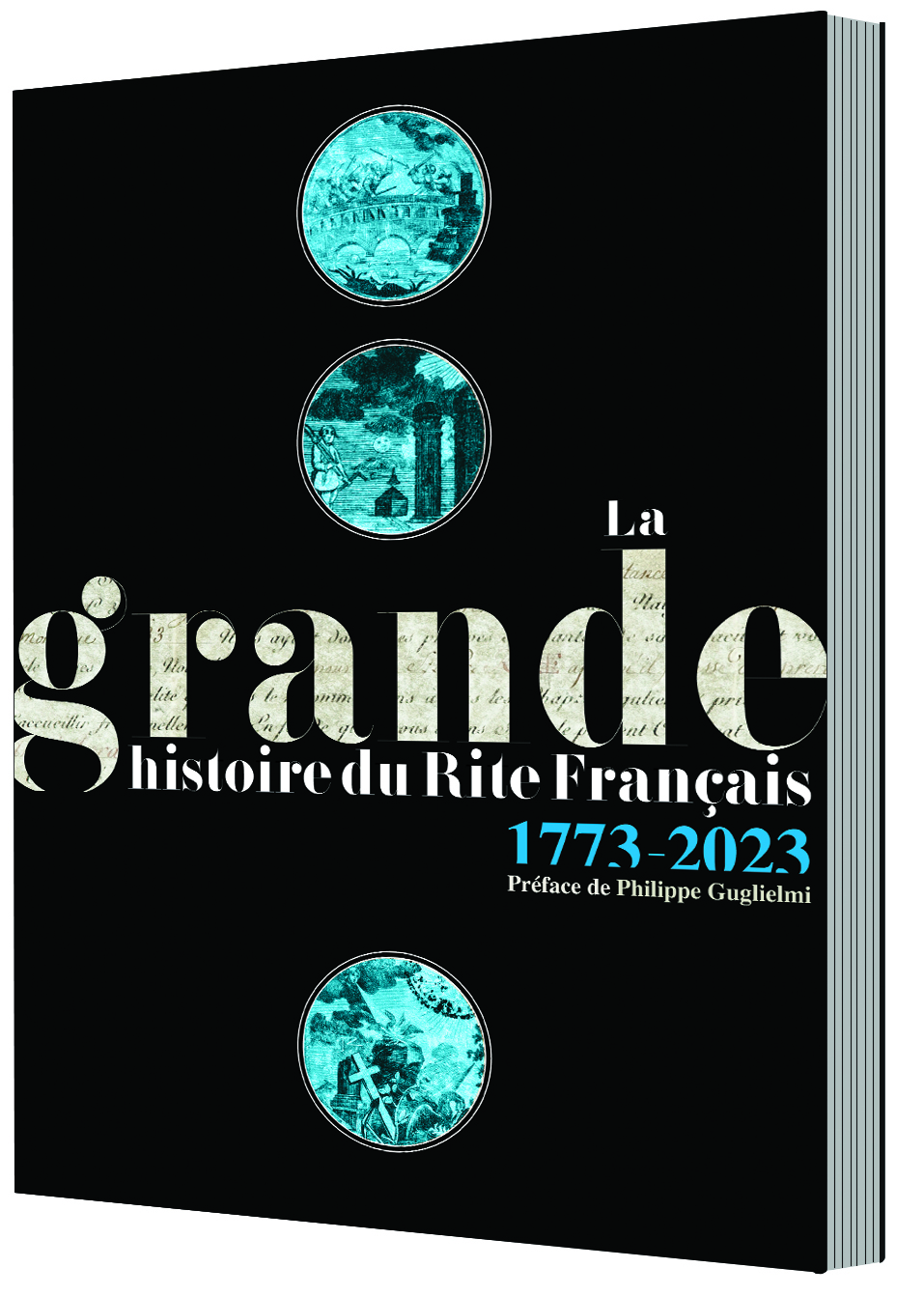
LA GRANDE HISTOIRE
DU RITE FRANCAIS
préface de Philippe Guglielmi
Offre souscription à 29€ + port offert au lieu de 45€ (port inclus)
en un clic sur la couverture ou sur le lien : offre
(ou bulletin joint à la newsletter)
Offre souscription pour hors France métrolitaine à 39€ au lieu de 55€
(Souscription uniquement par bulletin joint à la newsletter)
ENGLISH FREEMASONRY AND THE FIRST WORLD WAR |
English Freemasonry and the First World War By The Library and Museum of Freemasonry When Britain declared war on 4th August 1914, English Freemasonry faced unprecedented circumstances. Freemasonry was and is non-political, and the discussion of politics at Masonic meetings was and is forbidden, but during this period the United Grand Lodge of England, the governing body for freemasonry in England and Wales and across much of the British Empire, had to deal with the impact of global war. Written by staff at the Library and Museum and drawing on its extensive collections, the book looks at the impact of the First World War and its aftermath on English Freemasonry. It examines the effect of the First World War on Freemasons in England, on Freemasons fighting on the Western Front and elsewhere and on Freemasons held as prisoners of war. The war created new, war-related charitable causes for which Freemasons raised funds, prompted a response from the established Masonic charities and fostered the formation of a major new Masonic charity in the post war period. Freemasons’ Hall in Great Queen Street in London, completed in 1933, was dedicated to the Freemasons that died in the war. It was one of many different types of memorials created by Freemasons. The end of the war saw a significant increase in membership of Masonic lodges and geographical expansion, which created new challenges for the Grand Lodge. The richly illustrated book draws on the extensive collections held by the Library and Museum and will coincide with an exhibition called 'English Freemasonry and the First World War' to be held at The Library and Museum of Freemasonry at Freemasons’ Hall, Great Queen Street, London. Amongst the objects, images and documents pictured in the book are lodge fittings created from appropriated war materiel, souvenirs from Freemasonry on the front line and diaries kept by Masonic prisoners of war. This fascinating, informative and richly illustrated book covers:
Paperback, 96 pages
Bestellen via LEWIS MASONIC |
Editeur : DERVY
ISBN : 979-1-02-420578-6
Cet ouvrage s’adresse aux maîtres maçons comme aux
lecteurs du grand public qui s’interrogent sur les Hauts Grades maçonniques.
Il vise à démystifier les préjugés négatifs sur les serments du secret qui
entretiennent fantasmes et contre-vérités.
C’est également une dénonciation des critiques qui ne voient dans les Hauts
Grades que des ajouts rituels artificiels destinés à se vanter de médailles et
de titres ronflants.
Infos : 104 pages, 110 x 180 mm, 105g
Parution : octobre 2020
Editeur : DERVY
Collection : Les outils maçonniques
du XXIe siècle
EAN : 9791024205786
ISBN : 979-1-02-420578-6
Prix : 9,50€